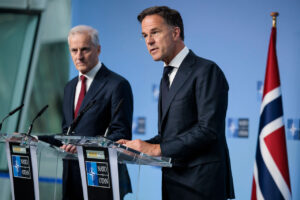

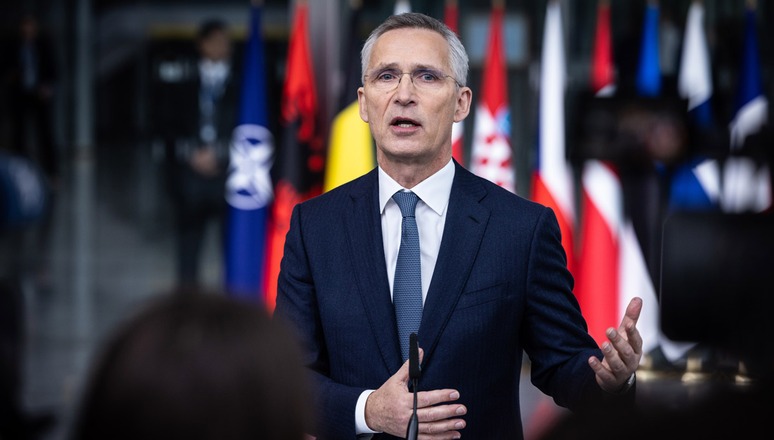
Foreign Ministers are gathering at NATO headquarters in Brussels on Wednesday (3 April 2024) for a two-day meeting to mark NATO’s 75th anniversary and to prepare for the upcoming Washington Summit in July.
Speaking ahead of the meeting, Secretary General Jens Stoltenberg underscored that the Alliance was founded “on a single, solemn promise: an attack on one Ally is an attack on all.”
he Secretary General welcomed Allies’ continued efforts to provide major deliveries of weapons, ammunition, and equipment to Ukraine, warning that any delay in support has consequences on the battlefield. He called on Allies to ensure assistance for Ukraine for the long haul. Ministers will discuss how NATO could assume more responsibility for coordinating military equipment and training, as well as ensure a multi-year financial commitment for Ukraine, he said.
On Thursday, ministers will address Ukraine’s current and future needs at the NATO-Ukraine Council and will meet with Indo-Pacific partners and the European Union. The Secretary General stressed that the war in Ukraine illustrates “our security is not regional – it is global.”
Ministers will also address instability in NATO’s southern neighborhood and agree a new policy on Women, Peace and Security “because our societies are stronger and safer when we draw on the contributions of all our people,” said Mr Stoltenberg.
More Read

EUBriefs
Des journalistes européens ainsi que d’autres provenant de pays en dehors de l’Union européenne contribuent également aux contenus publiés par EUbriefs. EUbriefs publie des articles provenant de diverses sources externes qui reflètent un large éventail de points de vue. Les opinions exprimées dans ces articles ne reflètent pas nécessairement celles d’EUbriefs. EUbriefs utilise l’intelligence artificielle comme outil pour améliorer la qualité, l’efficacité et l’accessibilité du journalisme, tout en maintenant une supervision éditoriale humaine stricte, le respect des normes éthiques et une transparence totale dans tous les contenus assistés par l’IA.